1.0 Introduction: Discover the Hidden Gem of the Pearl River Delta
While the well-trodden tourist paths often lead to the bustling metropolises of Beijing and Shanghai, a different kind of China awaits in the tranquil corners of the Pearl River Delta. Huizhou is one such treasure—a city beautifully described as “a city of half mountain, half lake” (半城山色半城湖), offering a refreshing escape into a world of natural beauty and profound history. It stands apart as a historical and cultural sanctuary, a place where the past is not just remembered but felt in the very landscape.
Huizhou is an important heartland for the Hakka people (客家人), and its rich history has produced famous figures from ancient poets to modern revolutionaries. Its most celebrated resident was the Song dynasty poet Su Dongpo (苏东坡), whose spirit still seems to linger by the serene shores of West Lake. But the city also gave birth to influential leaders like Ye Ting (叶挺) and Liao Zhongkai (廖仲恺), adding a deeper layer to its historical tapestry. To visit Huizhou is to discover a destination of remarkable diversity, where serene lakes, spiritual mountains, ancient villages, and scenic coastlines converge. It offers a more tranquil and layered travel experience, inviting you to slow down and appreciate its quiet beauty.
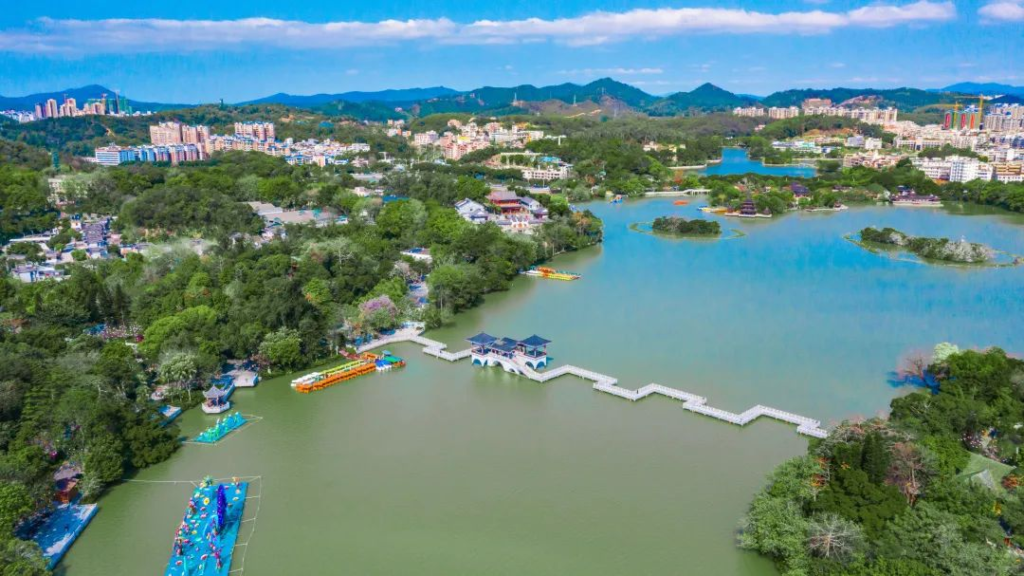
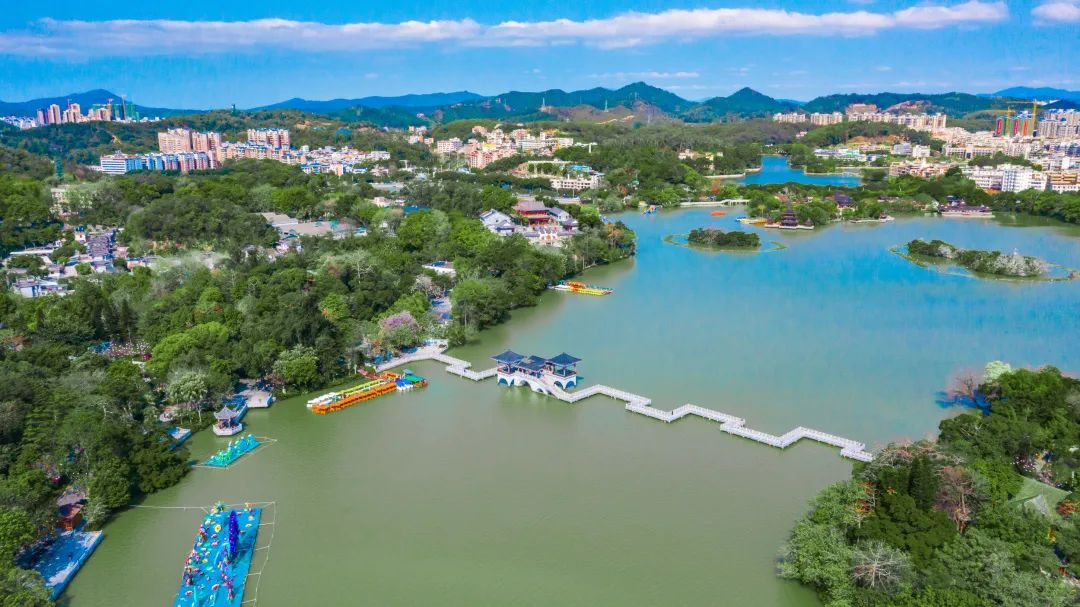
[📸 Insert Image: A breathtaking panoramic view of Huizhou’s West Lake, with traditional pavilions and lush greenery reflecting in the calm water, conveying a sense of peace and natural beauty.]
To make the most of this unique blend of attractions, timing your visit is key.
2.0 Best Time to Visit Huizhou
Choosing the right time to visit Huizhou is crucial for fully enjoying its magnificent outdoor attractions, from the placid waters of West Lake to the sun-drenched beaches along its coast. The city enjoys a temperate climate with an average annual temperature of 22℃, making it pleasant for much of the year.
However, travelers should be mindful of the rainy season, which primarily occurs in July and August. To experience the city at its best, plan your trip for the autumn months. September and October are the ideal time to visit, as the weather is typically clear, sunny, and comfortable—perfect conditions for sightseeing, hiking, and seaside relaxation. Even the winters are mild, with the lowest temperatures hovering around 13°C, making a long-sleeved thick jacket more than sufficient for comfortable exploration.
[📸 Insert Image: A sunny shot of Luofu Mountain or a Huizhou beach in autumn, with clear blue skies and vibrant colors, highlighting the perfect travel weather.]
With your travel dates set, it’s time to explore the incredible sights that await you in Huizhou.
3.0 Top Things to Do in Huizhou
Huizhou’s attractions offer a captivating journey through classical Chinese scenery, spiritual nature, and relaxing coastal life. While the region is rich with sights, a few key destinations stand out for their beauty and cultural significance. The following are just a few highlights to anchor your itinerary, with more detailed guides to come.
Huizhou West Lake (惠州西湖)
Historically renowned as one of China’s great West Lakes, this urban oasis owes much of its fame to the poet Su Dongpo. Far more than a simple body of water, it is a sprawling landscape masterpiece composed of “five lakes, six bridges, and eighteen sights” (五湖六桥十八景). Dotted with elegant pavilions and surrounded by lush hills, it’s a place of immense natural beauty and historical resonance, perfect for a leisurely day of strolling and reflection.
Luofu Mountain (罗浮山)
Known as the “First Mountain of Lingnan” (岭南第一山), Luofu Mountain is a famous Taoist sanctuary that has attracted pilgrims and poets for centuries. It’s a place of stunning natural landscapes and deep spiritual energy, offering what locals call the “three famous sights”: sun-gazing at dawn (日观), cloud-gazing after rain (云观), and sea-gazing on a clear day (海观). These experiences, combined with its misty peaks and ancient temples, offer a truly unforgettable retreat.
Xunliao Bay (巽寮湾)
For those seeking sun and sea, Xunliao Bay is the perfect coastal escape. Its name tells a story: centuries ago, refugees settled here, building simple huts (“寮,” liáo), and they named the place with the Bagua trigram for peace and luck (“巽,” xùn). Today, this beautiful bay features a stunning combination of mountains, soft sandy beaches, and unique rock formations scattered across dozens of small islands, making it an ideal destination for seaside relaxation.
[📸 Insert Image: A dynamic collage of three photos: the iconic bridges of West Lake, a misty view from Luofu Mountain, and the sandy shore of Xunliao Bay.]
After a day of exploring these stunning landscapes, you’ll have surely worked up an appetite for Huizhou’s distinctive local cuisine.
4.0 What to Eat: A Taste of Hakka Cuisine
Huizhou is a culinary capital for Dongjiang cuisine (东江菜), the representative style of Hakka food and one of Guangdong’s three major culinary traditions. The local food scene offers a delicious window into the region’s Hakka heritage, focusing on hearty, flavorful, and satisfying dishes that have been perfected over generations.
The traditional flavor profile of Dongjiang cuisine is often described as “肥、咸、熟、香” (fatty, salty, well-cooked, and fragrant). It emphasizes the main ingredients’ original flavors, using common cooking methods like boiling, stewing, steaming, and braising to create deep, savory tastes without overwhelming them. For a true taste of Huizhou, seek out the “Three Treasures of Huizhou” (惠州三件宝): Hakka Salt Baked Chicken, Pork Belly with Preserved Mustard Greens, and Hakka Stuffed Tofu. Don’t leave without trying these two signature dishes:
- Hakka Salt Baked Chicken (客家盐焗鸡): A celebrated Guangdong specialty, this dish features a whole tender chicken slow-baked in a bed of hot salt. The result is incredibly succulent meat with soft, flavorful skin and a deep, aromatic taste.
- Pork Belly with Preserved Mustard Greens (梅菜扣肉): This iconic dish pairs rich, melt-in-your-mouth pork belly with locally produced preserved mustard greens (Meicai). The combination is a savory, slightly sweet, and utterly delicious masterpiece that perfectly represents the soul of Hakka cooking.
[📸 Insert Image: A close-up, appetizing shot of golden-brown Salt Baked Chicken and rich, savory Meicai Kourou served in traditional bowls.]
With your culinary tour complete, the next step is choosing the perfect place to rest and recharge.
5.0 Where to Stay: Finding Your Base
Choosing the right area to stay in Huizhou depends entirely on your travel priorities. Whether you’re looking to immerse yourself in the city’s cultural heart or escape to a serene coastal retreat, there are excellent options to suit your itinerary.
For first-time visitors and those focused on cultural and historical sights, the central Huicheng District (惠城区) is the most convenient choice. Staying here provides easy access to major attractions like West Lake, as well as the city’s main commercial walking streets, restaurants, and shopping areas.
Alternatively, for travelers whose primary goal is to enjoy the sun and sand, the coastal areas are an excellent choice. Look for accommodations in Daya Bay (大亚湾) or near Xunliao Bay (巽寮湾). These locations offer a resort-like atmosphere, putting you just steps away from beautiful beaches and ocean views.
[📸 Insert Image: A split-screen image showing a bustling city street view in Huicheng District on one side and a serene hotel balcony view overlooking the sea on the other.]
Now that you know where to stay, let’s cover the logistics of getting to this beautiful city.
6.0 Getting to Huizhou
Huizhou is a well-connected transportation hub within the Pearl River Delta, making it easily accessible from major cities in Guangdong and across China. Travelers have several convenient options for reaching the city.
- By Air: Huizhou has its own airport, Huizhou Airport (惠州机场), which serves domestic routes connecting it to cities such as Beijing, Chengdu, Hangzhou, Suzhou, and Wuxi. This is a convenient option for travelers coming from further afield within China.
- By Train: The city has two main railway stations, Huizhou Station (惠州站) and Huizhou West Station (惠州西站), with Huizhou Station serving as the primary hub. It is connected to China’s extensive national rail network, with services to major cities including Guangzhou and Shanghai, making train travel a reliable choice.
- By Bus: For those traveling from nearby cities, the long-distance bus network is an efficient and economical option. Frequent services run to Huizhou from neighboring urban centers like Guangzhou and Shenzhen.